RP 40 AC-13035 Reader Plates 40MULTICLASS
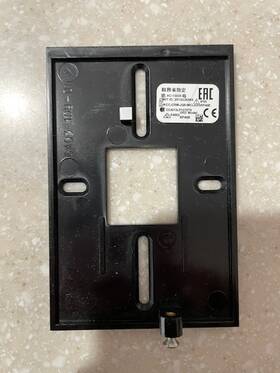
( Brand: Rp 40 ), ( Manufacturer Part Number: AC-13035 ), ( Part Type: Reader Plate ), ( Machine Type: Street Motorcycle ), ( Color: Black ), ( Country Of Origin: United States )
Review RP 40 40multiclass Reader Plates
The **RP-40 AC-13035 40-Multiclass Reader Plates** represent a cutting-edge solution for high-performance identification and access control systems, designed to seamlessly integrate with advanced radio-frequency identification (RFID) infrastructure. These precision-engineered plates are specifically crafted for use with the RP-40 series of card readers, offering unparalleled reliability and versatility in environments where security, efficiency, and scalability are paramount. Each plate is meticulously manufactured to meet stringent industry standards, ensuring compatibility with a wide array of RFID technologies, including both high-frequency (HF) and ultra-high-frequency (UHF) systems, while supporting up to 40 distinct classes of identification cards or access credentials. The robust construction of these plates incorporates high-grade, corrosion-resistant materials, making them ideal for deployment in demanding settings such as industrial facilities, government installations, corporate campuses, or transportation hubs where durability and longevity are critical.
The design of the RP-40 AC-13035 plates emphasizes both functionality and adaptability, featuring a modular interface that allows for easy integration with existing access control systems, biometric verification platforms, or smart card solutions. Each plate is equipped with a high-density contact array, ensuring rapid and accurate data transmission between the reader and the RFID card, which minimizes latency and enhances user experience. The plates are engineered to support a variety of card formats, including proximity cards, smart cards, and contactless credentials, while also accommodating multi-application scenarios where different classes of access may be required such as employee badges, visitor passes, or time-and-attendance cards. This flexibility makes the RP-40 AC-13035 an invaluable asset for organizations seeking to streamline their access management processes without compromising on security or performance.
Beyond their technical specifications, the RP-40 AC-13035 plates are designed with operational efficiency in mind, offering features such as low-power consumption to extend the lifespan of integrated power sources and resistance to environmental factors like dust, moisture, and temperature fluctuations. The plates are also backward-compatible with many existing RFID systems, reducing the need for costly upgrades while future-proofing installations for evolving security protocols. Whether deployed in a high-traffic corridor, a secure data center, or a perimeter access point, these reader plates deliver consistent performance, ensuring that identification and authentication processes remain seamless and secure. For organizations prioritizing both innovation and reliability in their access control infrastructure, the RP-40 AC-13035 40-Multiclass Reader Plates stand as a superior choice, combining precision engineering with adaptable functionality to meet the demands of modern security environments.
### **Pros and Cons of Buying RP 40 AC-13035 40-Multiclass Reader Plates**
#### **Pros:**1. **Versatility** The 40-multiclass reader plates support a wide range of RFID tags, including UHF, HF, and LF frequencies, making them compatible with various applications such as access control, inventory tracking, and asset management.
2. **High Read Range** The AC-13035 is designed for long-range RFID reading, which is beneficial in large warehouses, outdoor environments, or areas with metal interference where traditional readers may struggle.
3. **Durability** Built with industrial-grade materials, these plates are resistant to harsh conditions, including dust, moisture, and temperature fluctuations, ensuring long-term reliability in demanding settings.
4. **Scalability** The ability to read multiple RFID tags simultaneously reduces processing time, improving efficiency in high-volume environments like logistics, manufacturing, or retail.
5. **Compatibility with Existing Systems** If your current RFID infrastructure supports UHF or HF tags, these plates can integrate seamlessly without requiring major system upgrades.
6. **Cost-Effective for Large Deployments** While the initial investment may be higher, the efficiency gains in large-scale operations can offset costs over time by reducing manual data entry and improving workflow automation.
7. **Future-Proofing** Supporting multiple RFID standards ensures compatibility with future tag technologies, reducing the need for frequent hardware replacements.
---
#### **Cons:**1. **High Initial Cost** The upfront expense of purchasing 40-multiclass reader plates can be significant, especially for small businesses or organizations with limited budgets.
2. **Complex Setup** Configuring and integrating these plates into an existing RFID system may require technical expertise, potentially leading to downtime or additional IT support costs.
3. **Power Requirements** Some high-performance RFID readers, including this model, may require stable power sources or additional cooling solutions, adding to operational complexity.
4. **Potential Interference Issues** In environments with dense metal structures or competing wireless signals (e.g., Wi-Fi, Bluetooth), read reliability may be compromised, necessitating additional testing and adjustments.
5. **Maintenance Needs** Industrial-grade equipment requires periodic maintenance to ensure optimal performance, including cleaning, firmware updates, and hardware inspections.
6. **Learning Curve for Users** Staff may need training to operate the system efficiently, particularly if they are unfamiliar with RFID technology or managing large-scale reader deployments.
7. **Vendor Lock-In Risk** If the plates are proprietary or tightly integrated with a specific vendor s ecosystem, switching to alternative solutions in the future could be difficult or costly.
---
### **Conclusion**
The **RP 40 AC-13035 40-Multiclass Reader Plates** are a powerful tool for organizations requiring high-performance, multi-standard RFID reading capabilities. They excel in large-scale, high-volume applications where efficiency and durability are critical. However, their high cost, complexity, and potential maintenance requirements make them less ideal for small-scale or budget-constrained operations.
For businesses with **expanding RFID needs, outdoor or industrial environments, or the need for long-range tag reading**, these plates offer significant long-term benefits. Conversely, **smaller operations, those with limited technical resources, or those on tight budgets** may find more cost-effective alternatives (e.g., single-standard readers or lower-capacity models) more suitable.
---
### **Recommendation**
**Purchase the RP 40 AC-13035 if:**- Your organization operates in a **large warehouse, logistics hub, or outdoor environment** where long-range RFID reading is essential.
- You require **multi-standard compatibility** (UHF, HF, LF) to support diverse tag types.
- You have **existing RFID infrastructure** that can integrate with this system, and your IT team can manage setup and maintenance.
- The **long-term efficiency gains** (reduced manual data entry, faster processing) justify the initial investment.
**Consider alternatives if:**- Your budget is **limited**, and a lower-cost, single-standard reader would suffice.
- Your environment has **high interference** (e.g., dense metal structures), which may require additional testing or mitigation strategies.
- Your team lacks **technical expertise** to configure and maintain the system effectively.
- You anticipate **short-term needs** rather than long-term scalability.
For most **enterprise-level RFID deployments**, the RP 40 AC-13035 is a strong investment due to its versatility and performance. However, a thorough cost-benefit analysis including hardware, setup, and operational costs should guide the final decision.
Details:
part #: ac13035 prices
- $15.00-$28.94
specifications luggagesaddlebags:
- brand: Rp 40
- mpn: Ac-13035
- part type: Reader Plate
- machine type: Street Motorcycle
- color: Black
- country of origin: United States
returns luggagesaddlebags:
- paid by: Seller
- policy: Returns Accepted
- time: 30 Days
general luggagesaddlebags:
- condition: New other see details
- Motorcycle Scooter Parts Accessories > Luggage, Racks storage > Other Luggage, Racks storage
shipping luggagesaddlebags:
- type: Calculated
- service: USPS Ground Advantage
- cost: $0.00
- carrier: USPS
- transit: 15-18 Days
- class: Standard
offer luggagesaddlebags:
- started: April 26, 2026
- availability: In Stock
- sold: 0
- options: Ship-to-home
seller luggagesaddlebags:
- # reviews: 365
- city: Manahawkin, New Jersey
- rating: 100.0%
payments luggagesaddlebags:
- credit card: Discover
- wallet: Paypal
- other