ACCURATE ACCESSORIES 235-26111-00-00 Handlebars
fits model: R3, Yr3, 350, Prix, Grand. make: Yamaha. year: 1969.
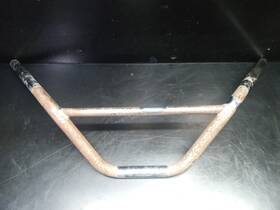
( Brand: Accurate Accessories ), ( Part Type: Handlebar ), ( Material: Chrome ), ( UPC: 235261110000 )
Review ACCURATE ACCESSORIES Vintage Handlebars Chrome Yamaha fits PRIX GRAND R3 YR3 350 1969
The **Yamaha 1969 Prix 350cc R3 handlebars (part number 235-26111-00-00)** is a meticulously crafted, time-honored component that embodies the classic elegance and performance-oriented engineering of Yamaha s legendary Prix racing motorcycles. Originally designed for the high-octane world of international motorcycle racing in the late 1960s, these handlebars are a testament to Yamaha s precision manufacturing and attention to detail, making them a sought-after piece for both vintage enthusiasts and modern custom builders. Crafted from high-grade steel, the R3 handlebars feature a robust, slightly swept-back design that not only enhances the aesthetic appeal of the Prix but also optimizes rider ergonomics, reducing fatigue during long rides or spirited track sessions. The classic "R3" designation signifies their racing heritage, with a slightly more aggressive rake compared to standard road handlebars, allowing for sharper steering angles and improved cornering stability qualities that were critical in the competitive world of Grand Prix racing. The handlebar s smooth, polished finish and minimalist styling reflect Yamaha s commitment to both form and function, ensuring a seamless integration with the bike s iconic frame and fuel-injected 350cc parallel-twin engine. Whether installed on a fully restored 1969 Prix or incorporated into a modern custom build, these handlebars add a touch of automotive history, blending nostalgia with the thrill of high-performance riding. For collectors and riders who appreciate the marriage of vintage craftsmanship and cutting-edge performance, the 235-26111-00-00 R3 handlebars are an indispensable piece that bridges the gap between racing legend and everyday riding enjoyment.
### **Pros and Cons of buying a 1969 Yamaha Prix 235-26111-00-00 (R3 350cc, YR3 Handlebar) Classic Motorcycle**
#### **Pros**
1. **Historical Significance and Collectibility**
The 1969 Yamaha Prix is a rare and highly sought-after classic, particularly the **R3 350cc model** with the distinctive **YR3 handlebars**. As one of Yamaha s earliest production motorcycles, it holds significant value among collectors, especially those interested in early Japanese bikes. Its scarcity increases its appeal, making it a potential investment piece if well-preserved.
2. **Engine and Performance (For the Right Buyer)**
The **350cc parallel-twin engine** (based on the earlier 250cc design) was Yamaha s first attempt at a production motorcycle in the West. While not as powerful as modern bikes, it offers a **retro riding experience** with a simple, air-cooled design. For enthusiasts who appreciate **vintage handling and charm**, the Prix can be enjoyable, though it lacks modern comforts.
3. **Lightweight and Maneuverable**
The Prix was designed to be **agile and easy to handle**, making it suitable for urban riding or light touring. Its small size and low weight (around **180 200 lbs**) make it easier to maneuver than larger vintage bikes, though modern riders may find it **underpowered for highway speeds**.
4. **Minimalist and Simple Design**
The bike s **no-frills construction** with a basic frame, minimal electronics, and a straightforward fuel system makes it **easier to repair and modify** than more complex modern bikes. Parts are available, though sourcing may require hunting through vintage dealers or online marketplaces.
5. **Potential for Restoration and Customization**
Many owners enjoy **restoring or modifying** the Prix to improve performance, aesthetics, or comfort. Swapping in a **modern engine (e.g., a 500cc parallel-twin or a Yamaha XS650 engine)**, upgrading the suspension, or adding modern controls can make it more rideable today while preserving its classic look.
6. **Lower Operating Costs (Compared to Modern Bikes)**
Fuel efficiency is decent for its era, and maintenance costs are **far lower than a modern sportbike or cruiser**. However, **tires, brakes, and suspension wear out quickly**, requiring frequent attention.
7. **Nostalgia and Riding Experience**
For those who appreciate **vintage motorcycle culture**, the Prix offers a **raw, unpolished riding experience** no ABS, no traction control, just **mechanical feedback and simplicity**. Many riders enjoy the **challenge of riding a bike from the 1960s**, which requires more skill and attentiveness than modern machines.
---
#### **Cons**
1. **Extremely Limited Availability and High Price**
The **1969 Yamaha Prix (especially the R3 350cc with YR3 handlebars)** is **one of the rarest Yamaha models ever made**, with only a few hundred produced. Due to its scarcity, **prices have skyrocketed** in recent years. A well-documented, restored example can easily sell for **$15,000 $30,000 **, making it a **luxury purchase** rather than a practical daily rider.
2. **Poor Modern-Day Practicality**
- **Power Output:** The **350cc parallel-twin produces only about 20 25 hp**, which is **insufficient for highway speeds** or carrying passengers. Modern riders may find it **too slow and underpowered** for long-distance riding.
- **Comfort:** The **hard seat, minimal suspension, and upright riding position** make it **uncomfortable for extended rides**. Many owners report **back and wrist strain** after short trips.
- **Weather Exposure:** No fairing or windscreen means **full exposure to wind, rain, and cold**, making it impractical for most weather conditions.
3. **High Maintenance and Reliability Issues**
- **Engine Wear:** The **air-cooled parallel-twin** is prone to **oil leaks, piston wear, and valve issues** over time. Many examples require **major engine work** to stay reliable.
- **Electrical Problems:** The **basic wiring and ignition system** are outdated and often fail. Modernizing the electrical system can be **costly and complex**.
- **Suspension and Brakes:** The **original coil-spring front fork and drum brakes** are **soft and ineffective**, requiring upgrades (e.g., modern forks, disc brakes) for safe riding.
- **Fuel System:** The **carburetor setup** is sensitive to fuel quality and may require frequent tuning.
4. **Difficult to Ride Safely on Modern Roads**
- **Lack of Modern Safety Features:** No **ABS, traction control, or stability aids** means the bike is **more prone to skidding** on wet or uneven surfaces.
- **Poor Visibility:** The **small size and lack of fairings** make it **hard to see** in traffic, increasing the risk of accidents.
- **Handling Quirks:** The **lightweight frame and high seat height** (for its era) can make it **unpredictable at high speeds**, requiring **experienced riding skills**.
5. **Parts and Restoration Challenges**
- While **some parts are available**, many components (e.g., **original carburetors, springs, or wiring harnesses**) are **hard to find** and may require **custom fabrication**.
- **Modernization vs. Authenticity:** Upgrading too much (e.g., **swapping the engine or adding fairings**) can **devalue it as a collector s item**, while keeping it stock may make it **unrideable safely**.
6. **Not Suitable for Beginners or Casual Riders**
The Prix is **not beginner-friendly** due to its **lack of power assistance, poor ergonomics, and maintenance demands**. It is best suited for **experienced riders who enjoy restoration projects** rather than those looking for a **hassle-free ride**.
7. **Environmental and Legal Considerations**
- **Emissions:** Older bikes **do not meet modern emissions standards**, which may limit where they can be ridden in some regions.
- **Insurance Costs:** Insuring a **high-value, rare bike** can be **expensive**, and claims may be difficult to process due to its age.
---
### **Conclusion**
The **1969 Yamaha Prix (235-26111-00-00, R3 350cc, YR3 handlebars)** is a **fantastic collector s item** and a **dream project bike** for enthusiasts who appreciate **vintage Japanese motorcycles**. However, it is **not a practical daily rider** for most modern owners due to its **lack of power, comfort, and safety features**.
#### **Best For:**- **Collectors and investors** who see it as a **long-term appreciation asset**.
- **Restoration enthusiasts** who enjoy **mechanical challenges** and want to preserve a piece of motorcycle history.
- **Experienced riders** who **prioritize nostalgia over convenience** and are willing to **modify it for modern use**.
#### **Not Ideal For:**- **Beginners or casual riders** who want a **reliable, safe, and comfortable** bike.
- **Those seeking a fast, highway-capable, or long-distance machine**.
- **Buyers who want a low-maintenance, modern-feeling motorcycle**.
---
### **Final Recommendation**
If you are **serious about buying this bike**, consider the following steps:1. **Get a Full Mechanical Inspection** Ensure the **engine, frame, and electrical system** are in **sound condition**. A **pre-purchase inspection by a Yamaha specialist** is highly recommended.
2. **Assess Restoration Needs** Decide whether you want to **restore it to original condition** (for collectibility) or **modernize it for rideability** (e.g., new engine, suspension, brakes).
3. **Budget for Hidden Costs** Beyond the purchase price, factor in **storage, insurance, parts, and labor** for any necessary work.
4. **Join Vintage Yamaha Communities** Engage with **forums (e.g., Cyclepedia, Yamaha Owners Club)** to learn from others who have worked on similar bikes.
5. **Consider Alternatives** If the Prix is too expensive or impractical, look into **more rideable vintage Yamahas** (e.g., **TD0, DT250, or later XS models**) that offer **better balance of history and usability**.
**Bottom Line:**If you **love vintage motorcycles, enjoy restoration projects, and can afford the time/money**, the **1969 Yamaha Prix is a remarkable purchase**. However, if you **prioritize modern convenience, safety, and practicality**, it may be **better to seek a more rideable classic or a modern bike** that fits your needs.
Would you like guidance on **where to find one, what to look for in an inspection, or restoration tips**?
Details:
Used chrome is rusted in spots.
part #: 235261110000 price
- $94.99
specifications luggagesaddlebags:
- for models: R3, Yr3, 350, Prix, Grand
- for makes: Yamaha
- for years: 1969
- brand: Accurate Accessories
- part type: Handlebar
- material: Chrome
- upc: 235261110000
general luggagesaddlebags:
- condition: Used
- Motorcycle Scooter Parts Accessories > Luggage, Racks storage > Other Luggage, Racks storage
seller luggagesaddlebags:
- rating: 100.0%
- # reviews: 5221
- city: Pine Grove, Pennsylvania
shipping luggagesaddlebags:
- carrier: USPS, UPS
- transit: 3-8 Days
- class: Standard
- cost: $85.60
- type: Calculated
- service: USPS Ground Advantage, UPS Ground
offer luggagesaddlebags:
- best offers: True
- options: Ship-to-home
- sold: 0
- availability: In Stock
- quantity: 1
- started: April 27, 2026
returns luggagesaddlebags:
- paid by: Buyer
- time: 30 Days
- policy: Returns Accepted
payments luggagesaddlebags:
- other
- credit card: Mastercard
- wallet: Apple-pay